

Introduction to Chain Lubrication Frequency
Lubricating your mountain bike chain is a crucial aspect of maintenance that ensures smooth shifting, reduces wear, and extends the life of the drivetrain. Understanding how often to lubricate your chain can make a significant difference in your bike’s performance and longevity. The frequency of chain lubrication depends on various factors, including the riding conditions, terrain, and frequency of use. Regular lubrication helps to minimize friction between the chain and the drivetrain components, preventing premature wear and enhancing overall efficiency.
For most riders, a good rule of thumb is to lubricate the chain after every few rides or at least once a week, especially if you ride frequently. However, if you often ride in harsh conditions, such as muddy, wet, or dusty environments, you may need to lubricate the chain more frequently. In these conditions, dirt and moisture can quickly strip the lubricant from the chain, leading to increased wear and potential damage.
Neglecting to lubricate your chain can result in a noisy, inefficient drivetrain and increased risk of chain breakage. By establishing a regular lubrication schedule tailored to your riding habits and conditions, you can maintain optimal bike performance and ensure a smoother, more enjoyable riding experience. This introduction sets the stage for a deeper exploration of factors influencing lubrication needs, routine maintenance practices, signs that your chain needs lubrication, and best application methods.
Factors Affecting Lubrication Needs
Several factors influence how often you need to lubricate your mountain bike chain, including riding conditions, terrain, and frequency of use. Riding conditions are a primary determinant; wet, muddy, or dusty environments can quickly strip away lubricant, necessitating more frequent applications. In contrast, riding in dry and clean conditions allows the lubricant to last longer.
Terrain also plays a crucial role. Rough, off-road trails with frequent elevation changes and obstacles create more stress on the chain, causing it to wear out faster and require more frequent lubrication. Smooth, paved paths are less demanding on the drivetrain, extending the intervals between lubrication sessions.
Frequency of use is another significant factor. Regular riders who use their bikes several times a week will need to lubricate their chains more often than occasional riders. High-mileage riding increases friction and wear on the chain, making consistent lubrication essential to maintain performance and prevent damage.
Additionally, the type of lubricant used affects lubrication needs. Wet lubricants are designed for wet conditions and last longer in such environments but can attract more dirt. Dry lubricants are better for dry, dusty conditions and keep the chain cleaner but may wash off more easily in wet conditions.
In summary, understanding and considering these factors—riding conditions, terrain, frequency of use, and lubricant type—can help you develop an effective chain maintenance routine that keeps your mountain bike performing at its best.
Routine Lubrication: Post-Ride and Weekly Maintenance
Routine lubrication of your mountain bike chain is essential for maintaining smooth and efficient performance. Establishing a consistent lubrication schedule helps prevent wear and extends the life of your drivetrain components. Post-ride maintenance involves a quick inspection and light lubrication, especially if you’ve ridden in harsh conditions such as mud, rain, or dust. After each ride, use a clean rag to wipe off any accumulated dirt and grime from the chain. This simple step prevents debris from grinding away at the chain and drivetrain.
Weekly maintenance is more thorough and involves a deeper cleaning and lubrication process. Begin by thoroughly cleaning the chain with a chain-specific cleaner or degreaser to remove old lubricant and dirt. Use a brush to scrub away stubborn grime from the chain, chainrings, cassette, and derailleurs. Once cleaned, rinse the chain with water and dry it completely with a cloth.
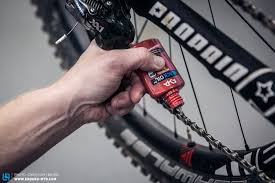
After the chain is dry, apply a suitable lubricant, ensuring each link is coated evenly. Rotate the pedals backward to work the lubricant into the chain, then wipe off any excess to prevent attracting dirt. For riders in wet conditions, using a wet lube provides better protection, while dry lube is preferable for dusty environments.
Incorporating post-ride and weekly maintenance routines ensures your chain remains in top condition, reduces wear, and enhances overall bike performance. This proactive approach to chain care helps you avoid more extensive repairs and replacements, keeping your rides smooth and enjoyable.
Signs That Your Chain Needs Lubrication
Recognizing when your mountain bike chain needs lubrication is crucial for maintaining optimal performance and preventing excessive wear. One of the most noticeable signs is increased noise. If your chain starts to squeak, squeal, or produce grinding sounds while pedaling, it’s a clear indication that it lacks sufficient lubrication. A well-lubricated chain should run quietly and smoothly.
Another sign is difficulty in shifting gears. When the chain is dry, it creates more friction, leading to sluggish or inaccurate gear changes. If you notice that your bike is not shifting as crisply as it used to, it might be time to lubricate the chain. Additionally, a dry chain may feel rough or gritty to the touch. Running your fingers along the chain and feeling this roughness indicates the need for lubrication.
Visible dirt and grime buildup on the chain can also signal that it needs attention. Dirt can strip away lubricant and cause accelerated wear. Regularly inspecting your chain for cleanliness helps determine when it’s time for a fresh application of lube.
Lastly, if you ride in harsh conditions—such as muddy, wet, or dusty environments—your chain will need more frequent lubrication. After such rides, if you observe any of the above signs, it’s a good practice to clean and lubricate the chain promptly.
By paying attention to these signs, you can ensure your chain stays well-lubricated, leading to smoother rides, improved shifting, and prolonged drivetrain life. Regular maintenance based on these indicators helps avoid costly repairs and keeps your bike performing at its best.
Best Practices for Applying Chain Lubricant
Applying chain lubricant correctly is essential for maintaining your mountain bike’s performance and longevity. Follow these best practices to ensure your chain stays in optimal condition:
- Clean the Chain Thoroughly: Before applying lubricant, clean the chain to remove dirt, grime, and old lubricant. Use a chain-specific cleaner or degreaser and a brush to scrub the chain, chainrings, cassette, and derailleurs. Rinse with water and dry the chain completely with a cloth.
- Choose the Right Lubricant: Select a lubricant appropriate for your riding conditions. Wet lubricants are ideal for rainy or muddy environments, providing long-lasting protection but can attract more dirt. Dry lubricants are better for dry, dusty conditions, keeping the chain cleaner but requiring more frequent application.
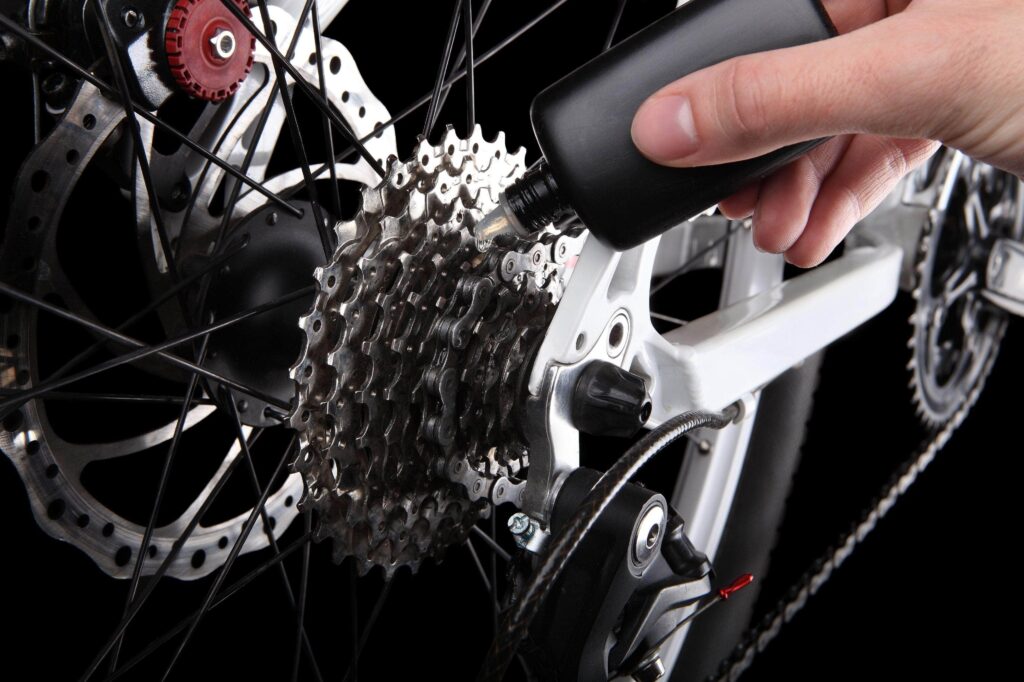
- Apply Lubricant to Each Link: Turn the pedals backward and apply a drop of lubricant to each link of the chain. Ensure even coverage by slowly rotating the pedals and allowing the lubricant to penetrate the chain links.
- Work the Lubricant In: Rotate the pedals for a few minutes to distribute the lubricant evenly throughout the chain. This helps the lubricant reach all the moving parts and reduces friction.
- Wipe Off Excess Lubricant: Use a clean cloth to wipe off any excess lubricant from the chain’s outer surfaces. Excess lubricant can attract dirt and grime, leading to faster wear and increased maintenance needs.
- Regular Maintenance: Incorporate chain lubrication into your regular bike maintenance routine. Lubricate the chain after every few rides or more frequently if riding in harsh conditions.
By following these best practices, you can ensure your mountain bike chain remains well-lubricated, reducing wear, improving performance, and extending the life of your drivetrain components.
Thank you for reading this information article on How Often Lube Mountain Bike Chain, I hope you found it helpful.
You can find more information on mountain bikes here!
Here is where you can find different Mountain Bike Chain Lubes!