

Introduction: The Appeal of Owning Multiple Mountain Bikes
Welcome to the, How Many Mountain Bikes Do You Own article. For many mountain biking enthusiasts, owning multiple mountain bikes is more than just a luxury—it’s a practical and enjoyable way to enhance their riding experience. The allure of having a diverse collection of bikes lies in the ability to tackle a wide range of terrains and riding styles with the optimal equipment. Each bike is often specialized for specific conditions, whether it’s a lightweight cross-country bike for long-distance endurance rides, a robust downhill bike for tackling steep and technical descents, or a versatile trail bike for everyday adventures.
Owning multiple bikes also allows riders to tailor their gear to the unique demands of each ride. Different mountain biking disciplines require varying levels of suspension, tire grip, and frame geometry. By having a selection of bikes, riders can choose the best-suited one for a particular trail or event, ensuring they get the most out of their experience. This versatility not only enhances performance but also adds to the enjoyment and challenge of exploring new trails and pushing personal limits.
Moreover, the appeal extends to the passion for bike customization and upgrades. Enthusiasts often enjoy the process of fine-tuning their bikes, swapping out components, and experimenting with new technologies. This hands-on involvement deepens their connection to the sport and allows them to stay updated with the latest advancements in mountain biking.
Different Bikes for Different Terrains: Why Variety Matters
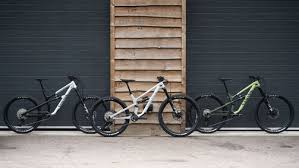
Variety in mountain bikes is crucial for optimizing performance and enjoyment across diverse terrains. Each type of mountain bike is engineered with specific features designed to handle particular riding conditions, making it essential for avid riders to own multiple bikes to fully embrace the sport’s versatility.
Cross-country (XC) bikes are lightweight and efficient, designed for speed and endurance over long distances and varied terrain. They typically have a hardtail design with minimal suspension travel, allowing for quick, responsive handling on smoother trails and climbs. On the other hand, trail bikes are more versatile, with moderate suspension travel and balanced geometry, making them suitable for a mix of uphill, downhill, and technical riding. They offer a great compromise between efficiency and control, ideal for all-around trail riding.
For more aggressive terrains, enduro and downhill bikes come into play. Enduro bikes have longer suspension travel and sturdier frames, designed to withstand the rigors of steep, technical descents while still being capable of climbing. Downhill bikes are built for the most extreme conditions, with robust frames, maximum suspension travel, and components specifically tailored for high-speed descents and jumps.
Owning different bikes for various terrains allows riders to select the best tool for the job, enhancing safety, performance, and overall enjoyment. Whether tackling a fast-paced XC race, exploring challenging singletracks, or descending rugged mountains, having the right bike ensures riders can maximize their potential and experience the full spectrum of mountain biking adventures.

Specialized Bikes for Competitive Riding and Training
In the world of competitive mountain biking, having a specialized bike for each discipline is crucial for optimal performance and effective training. Competitive riding often demands the highest level of precision, durability, and efficiency, and different events or terrains require bikes tailored to specific needs.
Cross-country (XC) racing bikes are designed to be lightweight and agile, allowing riders to maintain high speeds and efficient climbing over varied terrains. These bikes usually feature hardtail frames or minimal rear suspension to reduce weight and increase power transfer, making them ideal for long-distance races where every second counts.
Enduro racing, which combines uphill and downhill segments, requires bikes that are versatile and robust. Enduro bikes have longer suspension travel to handle technical descents and more aggressive geometry for stability at high speeds. These bikes strike a balance between climbing efficiency and descending prowess, making them suitable for the diverse demands of enduro competitions.
Downhill (DH) racing bikes, built for speed and control on the steepest and roughest terrains, feature maximum suspension travel and the most durable components. These bikes are heavier and more rugged, designed to withstand the extreme impacts and high-speed descents of downhill courses.
Training with specialized bikes allows competitive riders to simulate race conditions and fine-tune their skills. By using the right bike for each training scenario, athletes can improve their technique, build specific muscle groups, and develop strategies tailored to their racing discipline. This targeted approach not only enhances performance on race day but also reduces the risk of injury and increases overall riding efficiency.
Balancing Maintenance and Storage for Multiple Bikes
Owning multiple mountain bikes comes with the responsibility of balancing maintenance and storage to ensure each bike remains in optimal condition. Proper maintenance is essential for performance and longevity, and having several bikes means regular upkeep can become a time-consuming task.
Each bike requires routine checks and servicing, such as cleaning, lubrication, tire pressure checks, and brake adjustments. Scheduling regular maintenance sessions can help keep all bikes in top shape and prevent issues from becoming costly repairs. Setting up a maintenance calendar or log can be an effective way to track the servicing needs of each bike. Additionally, learning basic bike repair skills can save time and money, allowing for quick fixes without the need for frequent trips to the bike shop.
Storage is another critical aspect to consider. Adequate storage space protects bikes from environmental factors like moisture, dust, and temperature fluctuations, which can affect components and frame integrity. Investing in a dedicated bike storage solution, such as wall mounts, ceiling racks, or floor stands, can help organize the space efficiently and prevent damage from bikes leaning against each other.
Climate-controlled storage areas are ideal to prevent rust and wear caused by humidity and temperature extremes. Regularly rotating the bikes in use can also help distribute wear evenly across the fleet, extending the lifespan of each bike.
Balancing maintenance and storage for multiple mountain bikes requires a proactive and organized approach. By dedicating time to regular upkeep and ensuring proper storage, riders can enjoy their collection of bikes at peak performance, ready for any adventure.

Conclusion: Maximizing Your Riding Experience with Multiple Bikes
Owning multiple mountain bikes can significantly enhance your riding experience, offering unparalleled flexibility, performance, and enjoyment. By selecting bikes tailored to different terrains and riding styles, you can optimize your performance whether you’re tackling steep downhill trails, enduring long cross-country rides, or enjoying versatile all-mountain adventures. This specialization allows you to push your limits and explore the full spectrum of mountain biking, maximizing both your skill development and enjoyment.
The investment in multiple bikes also enables more precise training for competitive riders. Each bike’s unique design and functionality support specific training needs, ensuring you’re always prepared for various race conditions. This targeted training approach not only improves your competitive edge but also minimizes the risk of injury by using the appropriate equipment for each riding scenario.
Moreover, the maintenance and storage of multiple bikes, while requiring a bit more effort, ensures that each bike remains in optimal condition, ready for your next ride. Regular maintenance schedules and proper storage solutions extend the lifespan of your bikes and ensure consistent performance, so you can focus more on riding and less on repairs.
In conclusion, owning multiple mountain bikes is an investment in your passion for the sport. It allows for a tailored, high-performance riding experience that can adapt to any terrain, enhance your training regime, and provide a deeper connection to the sport. With careful maintenance and storage, you can ensure that each bike serves you well, offering countless hours of adventure and exhilaration on the trails.
Thank you for reading this information article on How Many Mountain Bikes Do You Own.
For more information on Mountain Bikes, please go here!
To purchase a new Mountain Bike, please go here!