
Inspecting Brake Pads: Recognizing Signs of Wear
Welcome to this information article on Electric Bike Brake System Maintenance. Inspecting your electric bike’s brake pads regularly is crucial for ensuring safe and effective braking. Visual inspection is the first step—look for the thickness of the brake pads. If the pads are worn down to 1-2 millimeters or less, it’s time to replace them. Uneven wear can also be a sign of misalignment, which requires adjustment to prevent further damage.
Glazing is another indicator of wear; this occurs when the brake pads become shiny and hard due to excessive heat, reducing their ability to grip the rotor effectively. If you notice glazing, the pads should be replaced.
Listen for unusual noises like squealing or grinding when you apply the brakes, as these can indicate worn pads or contamination with oil or dirt. Regularly inspecting and replacing worn brake pads ensures your electric bike maintains strong and reliable braking performance, enhancing safety during your rides.
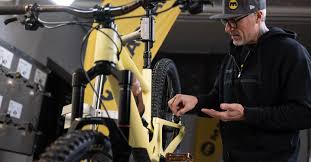
Cleaning and Adjusting Brake Components: Maintaining Optimal Performance
Regularly cleaning and adjusting your electric bike’s brake components is essential for maintaining optimal performance and ensuring safe rides. Start by cleaning the brake pads and rotors with isopropyl alcohol to remove dirt, dust, and oil that can reduce braking efficiency. Avoid using oil-based cleaners, as they can contaminate the pads.
After cleaning, inspect the brake pads for even wear and adjust the brake calipers if necessary to ensure they are aligned correctly with the rotors. Misaligned calipers can cause uneven wear and reduce braking power.
Check the tension of your brake cables or the pressure in your hydraulic system, depending on your brake type. Proper tension ensures immediate and effective braking response. If the brakes feel spongy or unresponsive, they may need bleeding or tightening.
By regularly cleaning and adjusting your brake components, you’ll maintain strong, reliable braking power, extending the life of your brake system and ensuring safe rides.
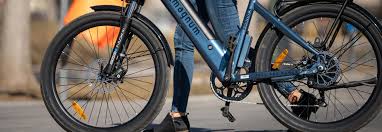
Checking Brake Cables and Hoses: Ensuring Reliable Operation
Regularly checking the brake cables and hoses on your electric bike is vital for ensuring reliable operation and safety. Start by inspecting the brake cables for signs of wear, such as fraying, rust, or kinks. Worn cables can lead to delayed or ineffective braking, so replace them immediately if you notice any damage.
Next, examine the housing that encases the cables. If the housing is cracked or worn, it can cause friction, reducing the smoothness of the braking action. Ensure the cables move freely within the housing, without any resistance.
For bikes with hydraulic brakes, check the brake hoses for leaks, cracks, or bulges. These can indicate a loss of hydraulic fluid, leading to reduced braking power. If you detect any issues, it’s important to address them promptly, either by replacing the damaged parts or bleeding the brake system.
Regular checks of your brake cables and hoses will help maintain the responsiveness and safety of your electric bike’s braking system.
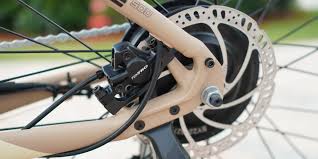
Bleeding Hydraulic Brakes: Keeping the System Fluid and Responsive
Bleeding hydraulic brakes is an essential maintenance task that ensures your electric bike’s braking system remains fluid and responsive. Over time, air bubbles can infiltrate the brake lines, leading to a spongy brake feel and reduced stopping power. Bleeding the brakes removes these air bubbles and replenishes the brake fluid, restoring optimal performance.
To begin, you’ll need a brake bleeding kit compatible with your bike’s hydraulic system. The process involves attaching the kit to the brake lever and caliper, then flushing out the old fluid while carefully avoiding the introduction of new air bubbles.
It’s crucial to follow the manufacturer’s guidelines for your specific brake model, as improper bleeding can damage the system. Always use the recommended brake fluid type and ensure all connections are secure during the process. Regularly bleeding your hydraulic brakes keeps the system responsive, providing consistent and reliable braking power for safe riding.

Testing and Fine-Tuning: Ensuring Maximum Safety
Testing and fine-tuning your electric bike’s brake system is crucial for ensuring maximum safety during rides. After performing maintenance tasks like adjusting cables, bleeding hydraulic brakes, or replacing pads, a thorough test ride is essential.
Start by testing the brakes at low speeds in a safe area. Gradually increase your speed and apply the brakes to assess their responsiveness and stopping power. Listen for any unusual noises, like squeaking or grinding, which could indicate alignment issues or pad contamination.
If the brakes feel spongy, recheck the hydraulic system for air bubbles or fluid levels. For cable brakes, ensure the tension is tight enough for immediate engagement but not overly stiff. Adjust the brake levers for a comfortable reach and responsive action.
By carefully testing and fine-tuning your brake system, you can ensure it’s functioning at its best, providing you with the confidence and safety needed for all your rides.
Thank you for reading this information article on Electric Bike Brake System Maintenance, I hope you found it helpful.
For more information on Electric Bike, please feel free to browse our other page here!
For a Electric Bike you can purchase,pleae go here!