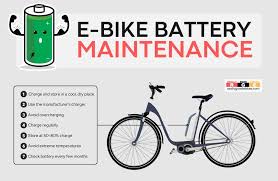
Visual Inspection: Identifying Signs of Wear and Damage
Welcome to this information article on Electric Bike Inspect the Frame and Electrical Components. Conducting a visual inspection is a crucial step in maintaining your electric bike (e-bike) and ensuring its safety and longevity. This process involves carefully examining the bike’s frame and electrical components for any signs of wear and damage.
Start by inspecting the frame. Look for cracks, dents, or bends in the metal, especially around welds and joints, which are common stress points. Pay attention to areas around the bottom bracket, head tube, and rear triangle, as these spots often bear the most stress. Rust or corrosion is also a red flag, particularly on steel frames.
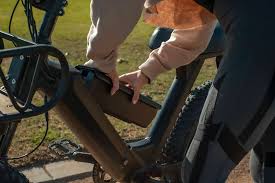
Next, check the battery for any visible damage. Look for cracks or bulges in the casing, which can indicate internal issues. Ensure that the battery is securely mounted and that there are no signs of leaking or corrosion around the terminals.
Examine the wiring and connectors. Frayed or exposed wires can lead to electrical shorts or failures. Ensure that all connections are tight and free from corrosion. Look for any signs of wear, such as chafing or discoloration, which could indicate overheating.
Inspect the tires and rims. Look for cuts, punctures, or excessive wear on the tire tread. Ensure the rims are not bent or cracked, and check that the spokes are tight and intact.
Finally, review the brake system. Ensure that brake pads are not overly worn and that cables are not frayed or damaged. Properly functioning brakes are critical for safety.
By conducting regular visual inspections, you can identify potential issues early and maintain your e-bike in top condition, ensuring a safe and enjoyable riding experience.
Frame Integrity: Ensuring Structural Soundness
Ensuring the structural soundness of your electric bike (e-bike) frame is vital for safety and performance. Regularly checking the frame’s integrity helps prevent accidents and prolongs the bike’s lifespan.
Begin by inspecting the welds and joints. These are critical stress points where different sections of the frame are connected. Look closely for any cracks, splits, or deformations in the welds. Even small hairline cracks can compromise the frame’s integrity and should be addressed immediately.
Check for alignment. Stand behind the bike and look along the length of the frame to ensure it is straight. Misalignment can indicate underlying structural issues. Ensure the fork and rear triangle are properly aligned with the main frame. Misalignment here can affect handling and stability.
Examine high-stress areas such as the bottom bracket, head tube, and seat post. These areas endure the most force during rides and are prone to damage. Look for any signs of bending, dents, or unusual wear that could indicate weakening.
Assess for rust and corrosion, especially on steel frames. Corrosion can weaken the frame over time, leading to structural failures. Clean any rust spots promptly and apply protective coatings to prevent further damage.
Finally, consider the age and material of the frame. Older frames or those made of lightweight materials like aluminum or carbon fiber may require more frequent inspections. Carbon fiber frames, in particular, can suffer from hidden damage that is not always visible.
By regularly inspecting and maintaining the structural integrity of your e-bike frame, you ensure a safer and more reliable ride, allowing you to enjoy your e-bike with peace of mind.

Battery Health: Assessing Performance and Safety
Ensuring the health of your electric bike’s (e-bike) battery is essential for both performance and safety. Regularly assessing the battery helps maintain optimal power output and extends its lifespan.
Start by inspecting the battery casing for any visible damage such as cracks, bulges, or signs of leaking. Physical damage can indicate internal issues that might affect performance or pose safety risks. Ensure the battery is securely mounted and that the terminals are clean and free from corrosion.
Check the battery’s charge capacity. Over time, batteries can lose their ability to hold a full charge. Monitor how quickly the battery depletes during rides compared to when it was new. If you notice a significant drop in range, it may be time for a replacement.
Evaluate charging times. A healthy battery should charge within the time frame specified by the manufacturer. If the battery takes significantly longer to charge or doesn’t reach full charge, there may be an issue with the cells or the charger itself.
Perform a voltage test. Using a multimeter, check the battery’s voltage when fully charged. Compare this reading with the manufacturer’s specifications. Consistently low voltage readings can indicate deteriorating cells.
Monitor temperature during operation and charging. Batteries should not overheat. If the battery becomes excessively hot during use or charging, it could be a sign of internal damage or a malfunctioning component, posing a safety hazard.
By regularly assessing your e-bike’s battery health, you can ensure consistent performance and prevent potential safety issues, allowing for a reliable and enjoyable riding experience.

Wiring and Connections: Securing Electrical Pathways
Securing the wiring and connections of your electric bike (e-bike) is crucial for maintaining reliable performance and ensuring safety. Regular inspection and maintenance of these components can prevent electrical issues and extend the lifespan of your e-bike.
Start by visually inspecting all wiring. Look for signs of wear such as frayed or exposed wires, which can lead to short circuits or electrical failures. Ensure that all wires are properly insulated and protected from environmental factors such as moisture and dirt.
Check the connectors. Loose or corroded connectors can disrupt the flow of electricity and affect the performance of the motor and battery. Make sure all connections are tight and secure. Clean any corroded connectors with a suitable contact cleaner and consider applying dielectric grease to prevent future corrosion.
Examine the routing of wires. Wires should be neatly routed and secured with cable ties or clips to prevent them from moving around and becoming damaged. Ensure that wires are not pinched or overly bent, especially around the frame and moving parts, as this can cause wear over time.
Inspect the control system. Check the connections to the display, throttle, and other control components. Ensure that these connections are firm and free from corrosion. If your e-bike uses a controller box, inspect it for any signs of damage or water ingress.
Test the electrical system. After securing all connections, test the electrical system by turning on the e-bike and checking for any error codes or malfunctions. Ensure that the motor responds correctly to inputs and that the battery charges properly.
By regularly inspecting and securing the wiring and connections on your e-bike, you can maintain a smooth and safe riding experience, minimizing the risk of electrical issues.
Testing Electrical Components: Ensuring Functionality
Testing the electrical components of your electric bike (e-bike) is essential for ensuring functionality and safety. Regular testing can help identify potential issues early, preventing costly repairs and ensuring a reliable riding experience.
Start with the battery. Check its voltage using a multimeter to ensure it meets the manufacturer’s specifications when fully charged. Monitor the battery’s discharge rate during a ride to see if it maintains a steady power output. Any significant drops in performance may indicate a need for replacement.
Test the motor. Lift the bike off the ground and engage the throttle or pedal-assist system. The motor should run smoothly without unusual noises or vibrations. If the motor stutters or fails to engage, inspect the connections and wiring for any issues.
Examine the display and controls. Turn on the e-bike and ensure that the display shows accurate information such as speed, battery level, and mode settings. Test all control buttons and switches to verify they respond correctly and reliably.
Inspect the throttle and pedal-assist sensor. For the throttle, ensure it provides smooth and consistent power delivery when engaged. For pedal-assist, check that the motor activates appropriately when you start pedaling and disengages when you stop.
Check the wiring and connections. Look for any loose, frayed, or corroded wires. Secure all connections and replace any damaged wiring. Clean and tighten all connectors to ensure they are making proper contact.
Perform a full system test. Take the e-bike for a short ride to observe the overall performance. Ensure the motor provides consistent power, the battery lasts as expected, and all controls function properly.
Regular testing of your e-bike’s electrical components ensures that everything works as it should, providing a safe and enjoyable riding experience.
Thank you for reading this information article on Electric Bike Inspect the Frame and Electrical Components, I hope you found it helpful.
You can find more information on Electric Bike if you go here! Here you can purchase a Electric Bike.