

Integrated Lighting Systems: Enhancing Visibility and Safety
Welcome to this information article on Electric Bike Additional Features. Integrated lighting systems on electric bikes (e-bikes) significantly enhance visibility and safety, making them an essential feature for riders. These systems typically include front and rear lights, and sometimes even side lights, all powered by the bike’s main battery. This setup ensures consistent and reliable illumination without the need for separate batteries or frequent recharging.
Front lights are crucial for night riding and low-light conditions, illuminating the path ahead and making obstacles more visible. High-intensity LED lights are commonly used due to their brightness and energy efficiency. Adjustable beam angles allow riders to customize the light spread, improving visibility in various riding conditions.
Rear lights play a vital role in safety by making the rider more visible to traffic from behind. These lights often feature multiple modes, including steady, flashing, and pulsating patterns, to attract attention and increase visibility. Some advanced systems also include brake lights that activate when the rider slows down, further enhancing safety.
Integrated lighting systems are typically designed to be weather-resistant, ensuring they function well in rain or fog. Additionally, the convenience of having lights permanently attached to the bike eliminates the hassle of removing and reinstalling them, reducing the risk of theft or loss.
Overall, integrated lighting systems on e-bikes not only enhance visibility and safety but also offer convenience and peace of mind, making every ride safer and more enjoyable.

Advanced Display Panels: Tracking Performance and Diagnostics
Advanced display panels on electric bikes (e-bikes) are pivotal in tracking performance and providing diagnostic information, enhancing the riding experience and ensuring the bike operates efficiently. These panels are typically mounted on the handlebars for easy access and visibility, offering a user-friendly interface that displays a wealth of information at a glance.
Performance Tracking: Advanced display panels provide real-time data on speed, distance traveled, and ride duration. Riders can monitor their average speed, maximum speed, and total mileage, which is particularly useful for fitness tracking and goal setting. Additionally, these panels often include features like calorie counters, helping riders gauge their physical activity levels.
Battery Management: One of the critical functions of an advanced display is to show battery status. Riders can see the current charge level, estimated range based on the remaining battery, and even receive alerts when the battery is low. This helps in planning trips and ensuring that the e-bike does not run out of power unexpectedly.
Diagnostic Tools: Modern e-bike displays often include diagnostic capabilities, alerting riders to potential issues with the bike’s motor, battery, or other components. Error codes and maintenance alerts can help in early detection of problems, allowing for timely repairs and maintenance.
Customization and Connectivity: Some advanced panels offer connectivity features, such as Bluetooth or Wi-Fi, enabling riders to sync with mobile apps. This allows for further customization of ride settings, firmware updates, and access to additional metrics and analytics.
In summary, advanced display panels on e-bikes enhance the riding experience by providing crucial performance data, battery management, and diagnostic information, ensuring a safe, efficient, and enjoyable ride.

Built-In GPS and Navigation: Finding Your Way with Ease
Built-in GPS and navigation systems on electric bikes (e-bikes) provide riders with a seamless and efficient way to navigate their journeys. These integrated systems eliminate the need for external devices, offering convenience and enhanced safety by keeping riders’ focus on the road.
Real-Time Navigation: With built-in GPS, riders can access real-time turn-by-turn directions directly on their e-bike’s display. This feature is particularly beneficial in unfamiliar areas, helping riders find the best routes and avoid getting lost. Advanced systems may even offer voice-guided navigation, allowing riders to keep their eyes on the path ahead.
Route Planning and Tracking: GPS-enabled e-bikes allow riders to plan routes based on various preferences, such as shortest distance, scenic paths, or bike-friendly roads. Riders can save and revisit favorite routes, track their ride history, and analyze performance metrics like speed, distance, and elevation changes.
Safety and Security: Built-in GPS systems enhance safety by providing accurate location tracking. In case of emergencies or theft, riders can quickly share their location or track their stolen bike. Some advanced e-bikes come with geofencing capabilities, alerting owners if their bike moves outside a designated area.
Integration with Apps: Many e-bikes with built-in GPS offer integration with smartphone apps, enabling riders to access additional features such as weather updates, traffic conditions, and social sharing of ride statistics. These apps can also facilitate firmware updates and system diagnostics.
In summary, built-in GPS and navigation systems on e-bikes greatly enhance the riding experience by providing reliable, real-time navigation, route planning, and safety features, ensuring that riders can find their way with ease and confidence.
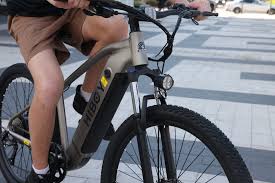
Anti-Theft Features: Protecting Your E-Bike from Theft
Anti-theft features on electric bikes (e-bikes) are essential for protecting your investment and ensuring peace of mind. Given the higher value of e-bikes compared to traditional bicycles, incorporating robust security measures is crucial.
Integrated Locks: Many e-bikes come with built-in locks, such as frame or wheel locks, which immobilize the bike when engaged. These locks are often designed to be tamper-resistant, adding an extra layer of security.
Alarm Systems: Advanced e-bikes may include alarm systems that trigger loud sirens if the bike is tampered with or moved without authorization. These alarms serve as effective deterrents, drawing attention to potential theft attempts.
GPS Tracking: Some e-bikes feature built-in GPS trackers, allowing owners to monitor their bike’s location in real-time. In the event of theft, this feature enables swift recovery by providing precise tracking information to law enforcement.
Remote Immobilization: Certain e-bikes offer remote immobilization capabilities, enabling owners to disable the bike’s motor via a smartphone app. This prevents the thief from riding away, making the bike less appealing to steal.
Security Apps and Connectivity: Many modern e-bikes are equipped with connectivity features that integrate with security apps. These apps can send alerts to the owner’s phone if unauthorized movement is detected, provide location tracking, and allow remote control of security features.
Physical Security Measures: In addition to built-in features, it’s recommended to use high-quality, hardened steel locks and secure the bike to immovable objects. Combining physical locks with the e-bike’s integrated security features provides comprehensive protection.
By utilizing these anti-theft features, e-bike owners can significantly reduce the risk of theft, ensuring their bikes remain safe and secure.

Connectivity and Smart Integration: Enhancing the Riding Experience
Connectivity and smart integration on electric bikes (e-bikes) significantly enhance the riding experience by providing a range of advanced features and conveniences. These technologies connect e-bikes to smartphones and other devices, offering riders unprecedented control and access to valuable information.
Smartphone Integration: Many e-bikes come with Bluetooth or Wi-Fi capabilities, allowing seamless connection to smartphone apps. These apps offer real-time data on speed, distance, battery life, and navigation, providing riders with a comprehensive overview of their ride.
Customization and Control: Smart integration enables riders to customize their e-bike settings. Through dedicated apps, riders can adjust pedal-assist levels, motor output, and even lighting preferences. This personalized control ensures a tailored riding experience that suits individual preferences and conditions.
Performance Monitoring: Connected e-bikes can track performance metrics, such as calorie burn, elevation gain, and ride history. This data helps riders monitor their fitness progress, set goals, and analyze their performance over time, enhancing their training and recreational rides.
Firmware Updates: Connectivity allows for over-the-air firmware updates, ensuring the e-bike’s software remains up-to-date with the latest features and improvements. This capability extends the bike’s lifespan and keeps it functioning optimally.
Enhanced Security: Smart integration also enhances security features. Riders can receive alerts if their bike is moved without authorization, track its location via GPS, and remotely disable the motor if necessary. These features provide peace of mind and protect the investment.
In summary, connectivity and smart integration transform e-bikes into highly versatile and user-friendly machines, enhancing the overall riding experience through customization, performance tracking, and advanced security features.
Thank you for reading this information article on Electric Bike Additional Features, I hope you found it to your liking and useful.
For more information on Electric Bike, please go here! To find a Electric Bike for purchase,you can go here!
