

Understanding Battery Capacity: How Amp-Hours and Voltage Impact Performance
Welcome to this information article on Electric Bike Battery Capacity and Range. Battery capacity in electric bikes is a key factor that directly affects performance and range. It’s typically measured in amp-hours (Ah) and voltage (V), with both playing crucial roles.
Amp-hours (Ah) represent the total energy storage of the battery, indicating how much charge it can hold. A higher Ah rating means the battery can deliver power for a longer duration, thus extending the bike’s range.
Voltage (V) determines the speed and torque of the bike. A higher voltage allows for more power output, resulting in better acceleration and the ability to handle steeper inclines.
The combination of amp-hours and voltage gives you watt-hours (Wh), which is the most accurate measure of a battery’s total capacity. This figure helps estimate how far you can travel on a single charge. Understanding these parameters helps riders choose a battery that aligns with their performance needs and riding style, ensuring optimal range and efficiency.
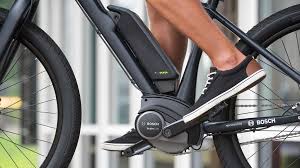
Calculating Range: Factors That Affect How Far You Can Go on a Single Charge
Calculating the range of an electric bike—how far you can travel on a single charge—depends on several factors beyond just battery capacity. Terrain plays a significant role; riding on flat surfaces consumes less power than climbing hills, which demands more energy. Rider weight and load also affect range, as heavier loads require more power to move.
Speed and riding style are crucial; higher speeds drain the battery faster, while consistent, moderate speeds are more efficient. Weather conditions can impact range as well—cold temperatures reduce battery efficiency, and strong headwinds increase energy consumption.
Assistance level is another key factor; using higher levels of pedal assist or throttle consumes more battery power, reducing range. Lastly, tire pressure and bike maintenance influence range, with under-inflated tires and poorly maintained bikes leading to higher energy use. Understanding these factors helps riders better estimate and optimize their e-bike’s range for their specific conditions.
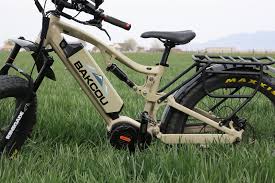
Comparing Battery Types: Lithium-Ion vs. Other Technologies
When comparing battery types for electric bikes, lithium-ion batteries are the most popular choice due to their superior performance and longevity. They offer a high energy density, meaning they provide more power while remaining relatively lightweight. Lithium-ion batteries also have a longer lifespan, with typically around 500-1,000 charge cycles, and maintain efficiency even as they age.
In contrast, lead-acid batteries are an older technology. They are heavier and have a lower energy density, resulting in shorter ranges and more frequent recharges. Lead-acid batteries are less expensive but typically only last 200-300 cycles.
Nickel-metal hydride (NiMH) batteries offer a middle ground, with a better energy density than lead-acid but not as high as lithium-ion. They also have a moderate lifespan and are somewhat heavier than lithium-ion batteries.
Overall, lithium-ion batteries are favored for their balance of performance, weight, and longevity, making them the preferred choice for modern electric bikes.
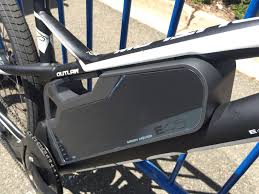
Optimizing Range: Tips for Extending Your E-Bike’s Battery Life
To optimize the range of your electric bike and extend its battery life, follow these practical tips. Maintain proper tire pressure, as under-inflated tires increase rolling resistance, which can drain the battery faster. Regularly service your bike to ensure all components are functioning efficiently and reduce energy loss.
Utilize regenerative braking if your e-bike has this feature; it recovers energy during braking, extending range. Adjust your pedal assist levels—using lower assist levels conserves battery power and can significantly increase your range.
Avoid excessive speeds and aggressive riding, as higher speeds and rapid acceleration consume more power. Plan your routes to minimize steep climbs and rough terrain, which require more energy. Lastly, store your battery properly—avoid extreme temperatures and keep it charged between 20% and 80% to prolong its lifespan. Implementing these practices helps maximize the efficiency and longevity of your e-bike’s battery.

Matching Battery Capacity to Your Riding Needs: Finding the Right Balance
Matching battery capacity to your riding needs is essential for optimizing performance and ensuring satisfaction with your e-bike. Start by assessing your typical riding distance and terrain. If you frequently cover long distances or tackle hilly routes, a higher capacity battery (measured in watt-hours, Wh) will offer a longer range and more power. For shorter, flatter commutes, a lower capacity battery might suffice, balancing cost and weight.
Consider your riding style as well. If you often use high levels of pedal assist or throttle, a larger battery will provide the extra power needed. Conversely, if you ride conservatively, a smaller battery might be adequate.
Additionally, think about your future needs; opting for a battery with a bit more capacity than currently required can accommodate potential changes in your riding habits. Ultimately, selecting the right battery capacity ensures your e-bike meets your performance needs while providing adequate range and efficiency.
Thank you for reading this information article on Electric Bike Battery Capacity and Range, I hope you found it helpful.
Please go here for more information on Electric Bike! To find a Electric Bike for purchase,go here!