

Understanding Frame Geometry: How Design Influences Ride Quality
Welcome to this information article on Electric Bike Frame Design and Material. Frame geometry is a critical factor in determining the ride quality of an electric bike (e-bike). It encompasses the angles and dimensions of the frame, which collectively influence how the bike handles, its comfort level, and overall performance. Key elements of frame geometry include the head tube angle, seat tube angle, wheelbase, and bottom bracket height, each playing a specific role in ride dynamics.
The head tube angle affects steering and stability. A steeper angle offers quicker, more responsive handling, ideal for city commuting or aggressive riding. A slacker angle provides greater stability, making it better suited for off-road or downhill riding.
The seat tube angle influences pedaling efficiency and rider comfort. A more upright seat tube places the rider in a forward position, optimizing power transfer for efficient pedaling. A relaxed seat tube angle promotes comfort over long distances, ideal for leisurely rides.
The wheelbase, the distance between the front and rear axles, impacts the bike’s stability and maneuverability. A longer wheelbase enhances stability, while a shorter one improves agility.
Lastly, the bottom bracket height affects the bike’s center of gravity. A lower bottom bracket improves stability and cornering, while a higher one offers better ground clearance for rough terrain.
Understanding these aspects of frame geometry helps riders choose a bike that aligns with their riding style, ensuring an optimal balance of comfort, control, and performance.

Common Frame Materials: Exploring Aluminum, Steel, Carbon Fiber, and Titanium
The choice of frame material is a crucial factor in the performance, durability, and ride quality of an electric bike (e-bike). The four most common materials used in e-bike frames are aluminum, steel, carbon fiber, and titanium, each offering unique advantages and trade-offs.
Aluminum is the most popular material for e-bike frames due to its lightweight nature and affordability. It provides a good balance of strength and weight, making it ideal for both commuting and recreational use. Aluminum frames are resistant to rust and relatively easy to manufacture, but they can be stiffer, which may result in a harsher ride compared to other materials.
Steel is known for its durability and comfort. It is heavier than aluminum but offers a more forgiving ride, absorbing road vibrations effectively. Steel frames are incredibly tough and can withstand significant wear and tear, making them ideal for touring or heavy-duty use. However, steel is prone to rust if not properly maintained.
Carbon Fiber is the lightest and most expensive of the common frame materials. It excels in providing a smooth, vibration-dampening ride while also being incredibly strong. Carbon fiber frames are often favored by performance-oriented riders who prioritize weight savings and responsiveness. However, they can be more fragile and are susceptible to damage from impacts.
Titanium offers a combination of the best qualities of both steel and aluminum. It is lightweight, like aluminum, yet provides the comfort and durability of steel. Titanium frames are highly resistant to corrosion and fatigue, making them long-lasting. However, the high cost of titanium makes it a premium option, typically reserved for high-end bikes.
Choosing the right frame material depends on the rider’s needs, budget, and desired riding experience, with each material offering distinct advantages for different types of riding.

Weight vs. Durability: Balancing Performance and Longevity in Frame Choices
When selecting an electric bike (e-bike) frame, balancing weight and durability is key to achieving the desired performance and longevity. The frame’s weight influences how the bike handles, accelerates, and climbs, while durability affects its ability to withstand the stresses of regular use and rough terrain.
Lighter frames—typically made from aluminum or carbon fiber—offer better acceleration and maneuverability, making them ideal for riders who prioritize speed and agility. These frames are easier to handle, particularly for urban commuting or competitive riding, where quick responses and efficient power transfer are important. However, lighter materials can sometimes compromise durability, especially under harsh conditions or heavy loads.
Durable frames—often constructed from steel or titanium—provide superior strength and resilience. These frames are designed to endure rough terrain, heavy usage, and the wear and tear that comes with long-distance or off-road riding. While they offer exceptional longevity, the added weight can make the bike feel less responsive and more challenging to handle on steep climbs or in tight spaces.
The ideal balance between weight and durability depends on the rider’s specific needs. For everyday commuting or recreational riding, a lighter frame might be preferable. However, for touring, mountain biking, or carrying heavy loads, the added durability of a heavier frame could be more beneficial. Ultimately, the right choice should align with the rider’s priorities, ensuring both a satisfying ride and a long-lasting investment.

Innovations in Frame Design: Trends Shaping the Future of E-Bike Frames
Innovations in e-bike frame design are pushing the boundaries of what electric bikes can offer, blending advanced materials, integrated technology, and ergonomic considerations to enhance performance and rider experience.
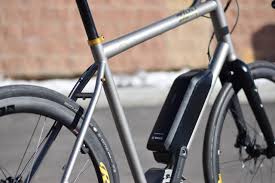
One major trend is the integration of battery and motor systems directly into the frame. Unlike traditional designs where these components are bolted on externally, modern e-bikes often feature frames that conceal the battery within the down tube and integrate the motor seamlessly into the bottom bracket or rear hub. This not only improves the bike’s aesthetics by giving it a sleeker, more streamlined appearance but also enhances the bike’s balance and handling.
Advanced materials like carbon fiber composites and new alloys are being increasingly utilized to reduce weight while maintaining strength. These materials allow for more intricate frame shapes and designs, enabling manufacturers to optimize aerodynamics and comfort without sacrificing durability.
Another trend is the focus on modular frame designs, where parts of the frame can be easily adjusted or replaced. This flexibility caters to a broader range of riders, allowing for custom geometry adjustments to suit different riding styles, whether it’s for commuting, off-road adventures, or long-distance touring.
Lastly, smart frame technology is becoming more prevalent, with built-in sensors and connectivity features that monitor ride data, detect frame stress, and even provide theft protection. These innovations are making e-bikes more intuitive and user-friendly, setting the stage for the future of electric biking.
Choosing the Right Frame: Factors to Consider for Comfort and Performance
Choosing the right frame for an electric bike (e-bike) is crucial for ensuring both comfort and performance. Several key factors should be considered to find the perfect balance that suits your riding needs.
Frame geometry is the first aspect to evaluate. The shape and angles of the frame determine how the bike handles, affects your riding posture, and influences overall comfort. For example, a more upright frame geometry is ideal for commuting or leisure riding, offering a comfortable and relaxed posture. On the other hand, a more aggressive, forward-leaning geometry is better suited for performance-oriented riders who prioritize speed and efficiency.
Material selection is also important. Aluminum frames are lightweight and affordable, making them a popular choice for many riders. However, they tend to be stiffer, which can result in a harsher ride. Steel frames, while heavier, offer a smoother ride due to their ability to absorb vibrations. Carbon fiber and titanium frames provide the best of both worlds—lightweight and comfortable—but they come at a higher cost.
Another consideration is frame size. A frame that fits your body correctly will prevent discomfort, reduce the risk of injury, and improve pedaling efficiency. It’s essential to ensure the frame’s size aligns with your height and reach.
Lastly, consider the intended use of the e-bike. If you plan to ride on rough terrain, a frame with good shock absorption and stability is necessary. For urban commuting, a lighter, more agile frame might be preferable.
By carefully considering these factors, you can choose a frame that enhances both your comfort and your riding performance, making your e-bike experience more enjoyable and efficient.
Thank you for reading this information article on Electric Bike Frame Design and Material, I hope you found it helpful.
You can find more information on Electric Bike here! You can find a Electric Bike for purchase here!
