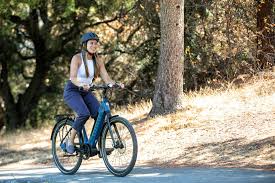
Regular Inspection: Identifying Signs of Wear and Damage
Welcome to this information article on Electric Bike Tire Maintenance. Regular inspection of your electric bike (e-bike) is essential for maintaining its performance and safety. By routinely checking for signs of wear and damage, you can address issues early and avoid potential problems.
Visual Checks: Start with a visual inspection of the e-bike’s frame, wheels, and components. Look for any cracks, dents, or signs of excessive wear. Pay special attention to areas where stress or impact is likely, such as the frame joints and wheel rims. Check the battery casing for any visible damage or swelling.
Tire Inspection: Examine the tires for tread wear, punctures, or cuts. Worn-out tires can affect traction and safety. Ensure that the tire pressure is within the recommended range, as improper pressure can lead to handling issues and increased wear.
Brake System: Inspect the brake pads for wear and ensure they have adequate thickness. Check the brake discs or drums for warping or scoring. Test the brakes to ensure they respond effectively and provide reliable stopping power.
Drivetrain: Look at the chain, gears, and derailleurs for signs of wear or damage. A worn chain or gears can lead to poor performance and potential damage to other drivetrain components.
Electrical Components: Examine the wiring and connectors for any fraying, corrosion, or loose connections. Ensure that all electrical components, including the motor and display, are functioning correctly.
Regular Maintenance: Regularly servicing your e-bike according to the manufacturer’s guidelines can help catch and address issues before they become serious problems.
By incorporating these regular inspection practices, you can identify and address signs of wear and damage, ensuring your e-bike remains in optimal condition and safe to ride.
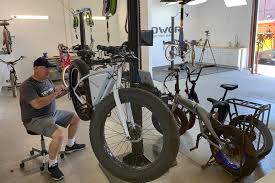
Proper Inflation: Maintaining Optimal Tire Pressure
Proper tire inflation is crucial for maintaining the performance, safety, and longevity of your electric bike (e-bike). Keeping your tires at the recommended pressure ensures optimal handling, traction, and efficiency.
Understanding Pressure Ratings: Each tire comes with a recommended pressure range, typically indicated on the sidewall. This range is measured in PSI (pounds per square inch) or BAR (bars). Adhering to these specifications helps achieve the best balance between comfort and performance.
Benefits of Proper Inflation: Maintaining optimal tire pressure enhances ride comfort by reducing vibrations and improving shock absorption. It also ensures better traction, which is vital for handling various terrains and weather conditions. Properly inflated tires improve rolling efficiency, which can extend battery life by reducing the energy required to propel the bike.
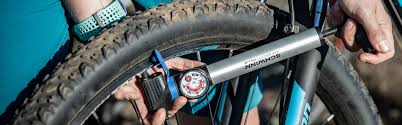
Checking Tire Pressure: Regularly check tire pressure using a reliable gauge. It’s best to perform this check at least once a week or before each ride. Ensure the tires are cold when measuring, as pressure can increase with heat from riding.
Adjusting Pressure: Inflate or deflate your tires to match the recommended pressure range based on your riding style and conditions. For example, lower pressure provides a smoother ride on rough terrain, while higher pressure is ideal for smooth surfaces and better efficiency.
Avoiding Over-Inflation: Over-inflated tires can lead to a harsh ride and increased risk of punctures. They may also reduce traction and handling. Always follow the manufacturer’s guidelines for tire pressure to avoid these issues.
By maintaining proper tire inflation, you ensure a safer, more comfortable ride and help prolong the life of your e-bike’s tires.
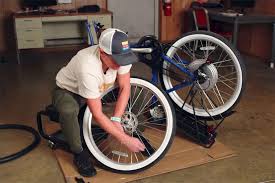
Tire Rotation and Alignment: Extending Tire Lifespan
Tire rotation and alignment are essential maintenance practices for extending the lifespan of your electric bike (e-bike) tires and ensuring a smooth, safe ride. Proper tire care can prevent uneven wear and improve overall performance.
Tire Rotation: Tire rotation involves periodically changing the position of your tires to ensure even wear. This practice is particularly important for e-bikes, where the weight distribution and motor power can lead to uneven tire wear. By rotating the tires, you ensure that each tire wears more uniformly, extending their overall lifespan. Typically, it’s recommended to rotate your e-bike tires every 1,000 to 2,000 miles, but this can vary based on riding conditions and tire type.
Alignment: Proper alignment is crucial for ensuring that your tires make consistent contact with the road and that your bike handles correctly. Misalignment can cause uneven tire wear, reduce handling efficiency, and lead to increased drag. Regularly check the alignment of your wheels and frame. If you notice any wobbling, pulling to one side, or uneven wear patterns, have your bike professionally aligned.
Balancing and Maintenance: In addition to rotation and alignment, maintaining proper tire pressure and checking for any signs of wear or damage can help prevent premature tire replacement. Regular inspections and timely maintenance can address issues before they escalate.
By incorporating tire rotation and alignment into your e-bike maintenance routine, you can enhance the performance and longevity of your tires, leading to a safer and more efficient riding experience.
Puncture Prevention: Using Sealants and Protective Liners
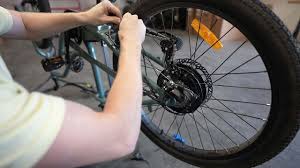
Puncture prevention is crucial for maintaining the reliability and safety of your electric bike (e-bike) tires. Utilizing sealants and protective liners can significantly reduce the risk of flats and enhance overall riding experience.
Sealants: Tire sealants are a popular option for preventing and repairing punctures. These liquids are applied inside the tire, where they coat the inner surface. When a puncture occurs, the sealant seeps through the hole and quickly dries, sealing the breach and preventing air loss. Sealants can handle small punctures and are especially useful for riders who frequently encounter rough or debris-strewn terrain. It’s important to regularly check the sealant level and top it up as needed, as it can dry out over time.
Protective Liners: Tire liners are another effective tool for puncture prevention. These are placed between the tire and the inner tube, providing an extra layer of protection against sharp objects like thorns, glass, or nails. Liners are typically made from materials such as Kevlar or rubber and can greatly reduce the risk of punctures. They also help to evenly distribute pressure and reduce the likelihood of pinch flats.
Regular Maintenance: In addition to using sealants and liners, maintaining proper tire pressure and performing regular inspections can further reduce the risk of flats. Proper inflation ensures that the tire can better withstand impacts and resist punctures.
By incorporating tire sealants and protective liners into your e-bike maintenance routine, you can enjoy a more reliable and trouble-free riding experience, reducing the frequency of punctures and the inconvenience they cause.
Replacing Tires: Knowing When It’s Time for New Rubber
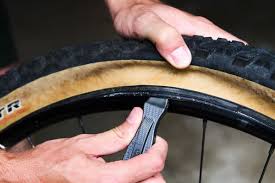
Replacing your electric bike (e-bike) tires at the right time is essential for ensuring safety, performance, and a smooth riding experience. Knowing when to replace your tires can prevent issues such as poor traction, handling problems, and potential accidents.
Signs of Wear: One of the most obvious indicators that it’s time for new tires is significant tread wear. Inspect the tread regularly; if it’s become shallow or uneven, the tire’s ability to grip the road is compromised. Look for indicators like worn-out tread patterns or smooth spots on the surface.
Cracks and Damage: Check for visible cracks, cuts, or punctures in the tire. These can compromise the tire’s structural integrity and increase the risk of a blowout. If you notice any significant damage or bulges, it’s time to replace the tire.
Frequent Flats: If you experience frequent flats or punctures, it may be a sign that the tires are worn out or damaged. Even if the tread seems adequate, recurring issues might indicate that the tire’s protective layers have deteriorated.
Performance Issues: Notice any changes in handling or ride quality. If your e-bike feels less stable, or if you experience decreased traction, it could be a sign that the tires need replacing.
Manufacturer’s Recommendations: Follow the manufacturer’s guidelines for tire replacement intervals. Tires generally need replacement every 2,000 to 3,000 miles, depending on usage and riding conditions.
By keeping an eye on these indicators and replacing your e-bike tires as needed, you ensure safer and more reliable rides, improving both performance and overall riding experience.
Thank you for reading this information article on Electric Bike Tire Maintenance, I hope it was helpful.
You can find more information on Electric Bike here! You can purchase a Electric Bike here!