
Introduction to the Origins of Mountain Biking
Mountain biking, a thrilling sport and popular recreational activity, has a rich history rooted in innovation and adventure. The origins of mountain biking can be traced back to the 1970s in the United States, where a group of cycling enthusiasts sought new challenges beyond paved roads. These pioneers, driven by a desire to explore rugged terrains and natural landscapes, began modifying their bicycles to handle the rough trails of mountains and forests. This marked the beginning of a new era in cycling, blending the love of outdoor adventure with the thrill of off-road riding.
The sport emerged organically, with riders experimenting with different techniques and equipment to improve their off-road experience. Key modifications included the addition of wider tires for better traction, stronger frames to withstand rough trails, and improved braking systems for enhanced control. These early adaptations laid the foundation for what would eventually become a globally recognized sport.
Mountain biking quickly gained popularity as more people discovered the excitement and freedom it offered. Organized events and races began to take place, further cementing its status as a legitimate and growing sport. Today, mountain biking continues to evolve, attracting millions of enthusiasts worldwide who embrace the spirit of exploration and innovation that defined its origins.

The Early Pioneers of Mountain Biking
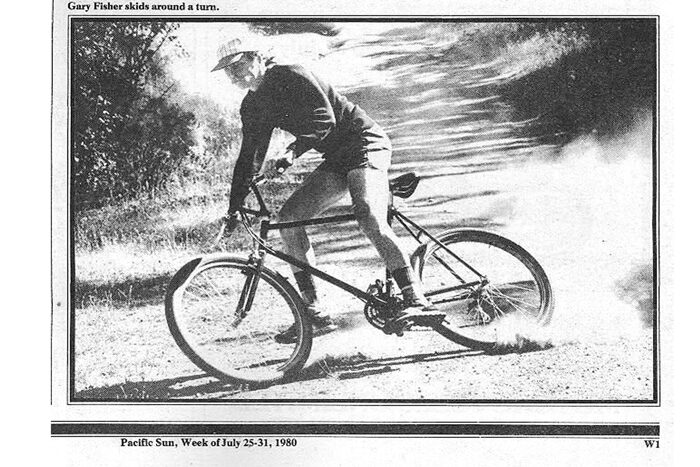
The early pioneers of mountain biking were a group of adventurous and innovative cyclists who sought to push the boundaries of traditional road biking. In the 1970s, a handful of enthusiasts in Marin County, California, began experimenting with their bikes to handle the rough, mountainous terrain. Among these pioneers were Joe Breeze, Gary Fisher, Charlie Kelly, and Tom Ritchey, who are often credited with laying the groundwork for the sport of mountain biking.
Joe Breeze is known for building one of the first purpose-built mountain bikes, the Breezer 1, in 1977. Gary Fisher and Charlie Kelly were instrumental in organizing the Repack Races, a series of downhill races that tested the durability and performance of their modified bikes. These races, held on the fire roads of Mount Tamalpais, became legendary and drew more enthusiasts to the burgeoning sport.
Tom Ritchey, a talented frame builder, contributed significantly by designing and manufacturing durable, lightweight frames that could withstand the rigors of off-road riding. Together, these pioneers shared ideas, tested new equipment, and refined their designs, ultimately creating the modern mountain bike.
Their passion and innovation not only led to the development of specialized equipment but also inspired a generation of cyclists to explore off-road riding. The early pioneers of mountain biking transformed a niche hobby into a global phenomenon, influencing the design and culture of cycling for decades to come.
The Birthplace: Marin County, California
Marin County, California, is widely recognized as the birthplace of mountain biking, where the sport’s early development and culture began to take shape in the 1970s. Situated just north of San Francisco, Marin County offered the perfect backdrop for adventurous cyclists with its rugged hills, scenic trails, and diverse terrain. This region provided the ideal environment for riders looking to explore beyond the limitations of paved roads and city streets.
The sport’s genesis in Marin County is closely tied to the Repack Races, organized by a group of cycling enthusiasts. These downhill races, held on a steep, dusty fire road on Mount Tamalpais, became a testing ground for the early mountain bike designs. Riders like Joe Breeze, Gary Fisher, Charlie Kelly, and Tom Ritchey gathered here to push their bikes and their skills to the limit. The name “Repack” came from the need to repack the coaster brakes with grease after each run, highlighting the demanding nature of these descents.
The innovative spirit of the Marin County riders led to significant advancements in bike technology. They modified their bikes with stronger frames, wider tires, and improved brakes, setting the stage for the creation of purpose-built mountain bikes. This collaborative and experimental approach fostered a community that valued exploration, camaraderie, and a deep connection to the natural landscape.
Marin County’s influence on mountain biking extends beyond its geographical borders. The pioneering efforts and innovations that emerged from this area laid the foundation for a sport that would grow to global prominence, attracting millions of enthusiasts and inspiring countless adventures worldwide.

Evolution of Mountain Biking as a Sport
Mountain biking has evolved significantly since its inception in the 1970s, transforming from a fringe activity into a widely recognized and organized sport. The early days, characterized by informal races and homemade bike modifications, set the stage for a broader and more structured development. As more riders took to the trails, the demand for specialized equipment grew, leading to advancements in bike design, including suspension systems, lightweight materials, and advanced braking technologies.
In the 1980s, mountain biking gained commercial traction with the introduction of mass-produced mountain bikes by companies such as Specialized and Trek. These bikes incorporated the innovations of the sport’s pioneers, making off-road cycling more accessible to a larger audience. The sport’s growth was further propelled by the establishment of official competitions and events, such as the NORBA (National Off-Road Bicycle Association) series in the United States, which provided a platform for competitive racing and talent development.
The 1990s saw mountain biking gain international recognition, with the sport being featured in the Olympic Games for the first time in Atlanta in 1996. This inclusion elevated the sport’s status and inspired a new generation of riders. Different disciplines, such as cross-country, downhill, and freeride, emerged, each with its own set of skills and specialized equipment.
Today, mountain biking is a global sport with a vibrant community and a range of events from local races to international championships. Advances in technology continue to push the boundaries of what is possible, enhancing performance and safety for riders of all levels. The sport’s evolution reflects its roots in innovation and adventure, maintaining the pioneering spirit that drove its early development.
Impact and Legacy of Early Mountain Biking Adventures
The early adventures in mountain biking had a profound impact on the sport’s development and left a lasting legacy that continues to influence modern cycling. These pioneering endeavors, spearheaded by passionate riders in the 1970s and 1980s, not only defined the sport’s foundational principles but also inspired a culture of innovation and exploration.
One of the most significant impacts was the development of specialized mountain bike technology. The modifications made by early riders to their bikes—such as wider tires, stronger frames, and improved braking systems—paved the way for the modern mountain bike. These innovations were crucial in transforming the sport from a niche activity into a mainstream pursuit, enabling more people to safely and enjoyably explore off-road trails.
The early mountain bikers also fostered a sense of community and camaraderie that remains a core aspect of the sport today. Events like the Repack Races in Marin County not only tested the limits of riders and their equipment but also brought together a like-minded community passionate about adventure and pushing boundaries. This spirit of camaraderie and mutual support continues to be a hallmark of mountain biking culture.
Moreover, the legacy of early mountain biking adventures extends to environmental stewardship. Many of the sport’s pioneers were also advocates for trail access and conservation, promoting sustainable practices to preserve natural trails for future generations. Their efforts have led to the establishment of numerous trail systems and advocacy groups dedicated to maintaining and expanding trail access.
Overall, the early mountain biking adventures set the stage for a dynamic and evolving sport, inspiring countless riders to embrace the thrill of off-road cycling and to innovate within the field. Their legacy lives on in the continued growth and diversification of mountain biking, as well as in the enduring values of community, innovation, and respect for the natural environment.
Thank you for reading this information article on Where Did Mountain Biking Originate, I hope it was helpful.
For more information on mountain bikes, please go here!
To purchase a mountain bike go here!
For mountain bike gear,part, and tools, please go here!