

Introduction to Mountain Bike Pricing
Mountain biking has become a popular sport and recreational activity, but many enthusiasts quickly discover that quality mountain bikes come with a hefty price tag. The cost of mountain bikes can range from a few hundred dollars to several thousand, and understanding the reasons behind these prices can help consumers make informed purchasing decisions. The pricing of mountain bikes is influenced by a variety of factors, including the materials used, the technology integrated into the bikes, the research and development that goes into designing them, and the brand reputation.
High-end mountain bikes are often crafted from advanced materials such as carbon fiber, which offers an excellent strength-to-weight ratio but comes at a premium cost. Additionally, the engineering and precision required to create a durable and responsive bike contribute significantly to the overall price. Advanced components, such as suspension systems, hydraulic disc brakes, and electronic shifting, also add to the cost, providing enhanced performance and safety.
Furthermore, the substantial investment in research and development to innovate and improve bike designs is reflected in the pricing. Brands with strong reputations for quality and performance command higher prices, driven by market demand and consumer trust. This introduction sets the stage for a deeper exploration of the specific factors that contribute to the cost of mountain bikes, offering insight into why these machines can be so expensive.
High-Quality Materials and Advanced Engineering
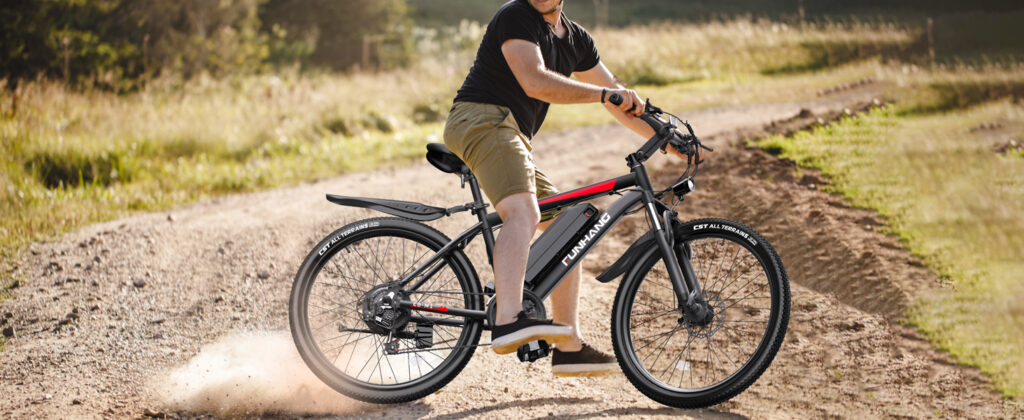
One of the primary reasons mountain bikes are expensive is the use of high-quality materials and advanced engineering techniques. Top-tier mountain bikes are often constructed from premium materials like carbon fiber and high-grade aluminum alloys. Carbon fiber, known for its exceptional strength-to-weight ratio, is particularly popular in high-end models because it offers both lightweight construction and superior durability. However, the production of carbon fiber frames is labor-intensive and costly, contributing significantly to the overall price of the bike.
In addition to materials, advanced engineering plays a crucial role in the cost of mountain bikes. Engineers and designers invest considerable time and resources into optimizing the geometry and structure of the frames to ensure they can withstand the rigors of off-road riding while providing excellent handling and comfort. This involves extensive testing, computer-aided design (CAD), and finite element analysis (FEA) to create frames that are both strong and lightweight.
The precision required in manufacturing these frames further adds to the cost. Techniques such as hydroforming, which shapes aluminum tubes with high-pressure fluid, and intricate carbon fiber layup processes, ensure that every frame meets exacting standards. Additionally, high-quality components such as suspension systems, which include advanced damping technologies and lightweight materials, enhance the bike’s performance but also increase the price.
Overall, the combination of high-quality materials and advanced engineering results in a superior product that justifies the higher cost, providing riders with bikes that are not only durable and lightweight but also capable of delivering exceptional performance on challenging terrains.
Innovative Technology and Components
Mountain bikes have evolved significantly over the years, incorporating cutting-edge technology and high-performance components that contribute to their elevated cost. One of the key innovations in modern mountain biking is the development of advanced suspension systems. These systems, including front and rear shocks with adjustable damping and rebound settings, provide superior handling and comfort on rough terrain. Brands like Fox and RockShox invest heavily in research and development to create suspension components that offer precision and reliability, which drives up the overall price of the bike.
Another significant technological advancement is in the drivetrain and shifting systems. Electronic shifting systems, such as Shimano’s Di2 or SRAM’s AXS, offer smooth, precise gear changes with the push of a button, enhancing the rider’s control and efficiency. These systems are not only more expensive to produce but also require additional components like batteries and wiring, adding to the bike’s cost.
Braking technology has also seen significant improvements with the widespread adoption of hydraulic disc brakes. These brakes provide consistent and powerful stopping power in all conditions, which is crucial for the safety and performance of mountain bikes. The materials and engineering involved in hydraulic systems are more complex and costly compared to traditional mechanical brakes.
Moreover, the integration of smart technology, such as GPS-enabled bike computers and power meters, allows riders to track performance metrics and optimize their training. These high-tech accessories, while enhancing the riding experience, also add to the overall expense of the bike.
Incorporating these innovative technologies and components ensures that mountain bikes can perform at the highest levels, providing riders with a blend of durability, precision, and advanced features that justify their premium pricing.
Research and Development Costs
Research and development (R&D) play a critical role in the evolution of mountain bikes, significantly contributing to their high cost. Leading bike manufacturers invest substantial resources into R&D to innovate and improve bike design, performance, and safety. This investment involves extensive testing, experimentation, and prototyping, all of which require sophisticated equipment and highly skilled engineers and designers.
The R&D process begins with identifying new materials and technologies that can enhance the bike’s capabilities. For example, the development of lighter and stronger carbon fiber composites or more efficient suspension systems requires in-depth research and material science expertise. Companies conduct rigorous testing in both laboratory settings and real-world conditions to ensure these new materials and designs can withstand the demands of off-road cycling.
Moreover, aerodynamics, ergonomics, and biomechanics are thoroughly studied to optimize the bike’s performance and comfort. Wind tunnel testing, computer-aided design (CAD), and finite element analysis (FEA) are commonly used tools in this phase, all of which are expensive but crucial for refining bike components.
Prototyping is another significant cost factor in R&D. Creating and testing prototypes allows engineers to identify and rectify potential issues before mass production. This iterative process ensures the final product meets high standards of quality and performance, but it also adds to the overall cost.
In addition to technological advancements, R&D efforts often focus on enhancing user experience and safety. Innovations such as electronic shifting, integrated frame sensors, and advanced braking systems are results of intensive R&D efforts. These advancements not only improve performance but also elevate the overall riding experience, justifying the higher price tags on modern mountain bikes.
The significant investment in R&D is reflected in the cost of high-end mountain bikes, as companies strive to offer cutting-edge technology and superior performance to meet the demands of serious cyclists.
Brand Reputation and Market Demand
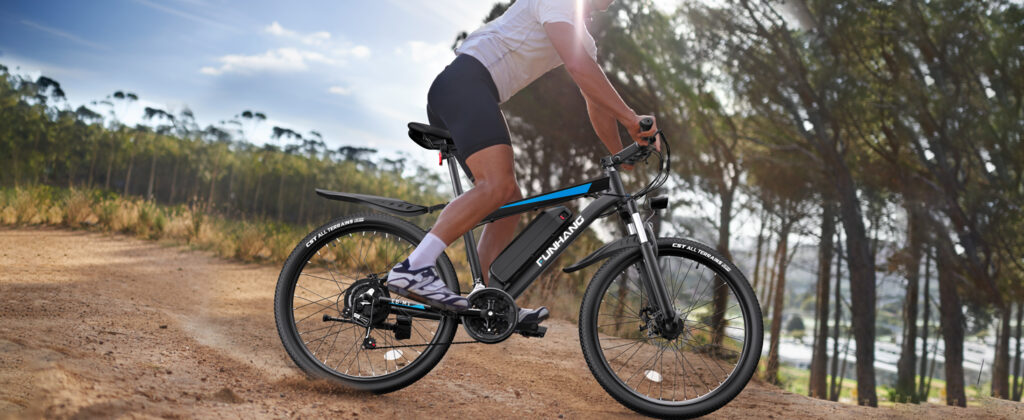
Brand reputation and market demand are significant factors that contribute to the high cost of mountain bikes. Established brands such as Trek, Specialized, and Santa Cruz have built strong reputations for producing high-quality, reliable, and performance-oriented bikes. These brands invest heavily in marketing, sponsorships, and professional endorsements to maintain their status and appeal to both casual and competitive riders. Consumers often associate these brands with superior craftsmanship, advanced technology, and exceptional customer support, which justifies their willingness to pay a premium.
The market demand for high-end mountain bikes also drives up prices. As mountain biking grows in popularity, so does the desire for top-of-the-line models equipped with the latest features. Enthusiasts and competitive riders seek bikes that offer the best performance, durability, and innovation, leading to increased demand for premium products. This demand enables manufacturers to command higher prices, particularly for models that feature cutting-edge technology and high-quality components.
Additionally, the exclusivity of certain brands and models can create a sense of prestige and desirability. Limited-edition bikes or those endorsed by professional athletes often come with a higher price tag, reflecting their unique status in the market.
In summary, the combination of a strong brand reputation and high market demand plays a crucial role in the pricing of mountain bikes. Consumers are willing to invest more in bikes from reputable brands that promise superior quality and performance, while the growing popularity of the sport continues to drive demand for these premium products.
Thank you for reading this information article on Why Mountain Bikes Are So Expensive, I hope you enjoyed it, and found it useful.
For more information on Mountain Bikes,please go here!
To find a good Mountain Bike for purchase,please go here!