

Understanding Mountain Electric Bikes: Key Features and Benefits
Welcome to this information article on Mountain Electric Bikes. Mountain electric bikes, or e-mountain bikes, are designed to enhance off-road adventures by combining traditional mountain biking features with electric power. These bikes come equipped with robust frames, wide tires, and advanced suspension systems that can handle rough terrain, steep inclines, and rocky paths. The key feature of an e-mountain bike is its powerful motor, typically ranging from 250 to 750 watts, which provides pedal assistance to make climbing hills easier and tackling long trails less exhausting.
The electric motor allows riders to cover greater distances and explore more challenging trails without being limited by physical endurance. E-mountain bikes often feature high-capacity batteries that offer extended range, ensuring you can enjoy a full day of riding without worrying about running out of power.
The combination of power, durability, and versatility makes mountain electric bikes ideal for both seasoned cyclists looking to push their limits and beginners seeking a more accessible way to enjoy off-road biking.

Motor Power and Battery Life: What to Look for in an E-MTB
When choosing an electric mountain bike (e-MTB), motor power and battery life are crucial factors that determine performance and endurance on the trails. The motor’s power, typically measured in watts, directly affects how well the bike can handle steep climbs and rugged terrain. A motor in the 500 to 750-watt range is ideal for demanding off-road conditions, providing sufficient torque to conquer hills and navigate rough paths with ease.
Battery life is equally important, as it dictates how far you can ride on a single charge. Look for high-capacity lithium-ion batteries, which offer a range of 30 to 70 miles, depending on factors like terrain, rider weight, and level of pedal assistance. Removable batteries are a bonus, allowing you to carry spares or charge them separately.
Together, a powerful motor and long-lasting battery ensure that your e-MTB delivers a reliable and exhilarating experience, whether you’re tackling challenging trails or enjoying extended rides.
Suspension and Frame Design: Ensuring a Smooth Off-Road Experience
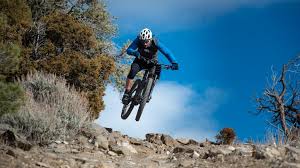
Suspension and frame design are critical components in an electric mountain bike (e-MTB), ensuring a smooth and controlled ride on challenging off-road terrain. The suspension system, typically consisting of front forks and rear shocks (in full-suspension models), absorbs impacts from rocks, roots, and uneven ground. This allows the bike to maintain traction and stability, reducing rider fatigue and enhancing overall comfort.
For serious trail riders, a full-suspension e-MTB is often preferred, as it offers superior shock absorption and improved handling on rough descents. However, hardtail models, which feature only front suspension, are lighter and more efficient on smoother trails, making them a good choice for mixed terrain.
Frame design also plays a vital role, with robust materials like aluminum or carbon fiber providing the necessary strength without adding excessive weight. The geometry of the frame should promote a balanced, confident ride, ensuring that the e-MTB can handle the rigors of off-road adventures while keeping the rider in control and comfortable.
Tires and Traction: Choosing the Right Setup for Mountain Terrain
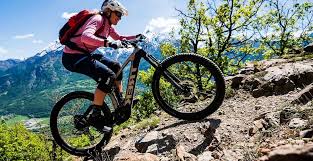
Tires and traction are essential considerations when selecting an electric mountain bike (e-MTB) for tackling rugged terrain. The right tire setup can significantly impact your bike’s performance, stability, and control on various surfaces. For mountain riding, look for wide, knobby tires that provide a larger contact area with the ground, enhancing grip on loose, rocky, or muddy trails.
Tire width, typically between 2.4 to 2.8 inches for e-MTBs, offers a balance between stability and maneuverability. Wider tires deliver better traction, especially in soft or uneven terrain, while slightly narrower tires can be faster and more agile on hard-packed trails.
Tubeless tires are also a popular choice for mountain biking, as they allow you to run lower air pressure, further improving traction and reducing the risk of punctures. Additionally, ensure the tire tread pattern matches the terrain you’ll encounter most often—aggressive treads for technical trails and a less pronounced pattern for smoother paths. This setup ensures that your e-MTB handles diverse mountain terrains with confidence and control.

Safety and Control: Advanced Braking and Handling Features for E-MTBs
Safety and control are paramount when riding an electric mountain bike (e-MTB), especially on challenging trails. Advanced braking and handling features are crucial for ensuring that you can navigate steep descents, sharp turns, and unpredictable terrain with confidence. Hydraulic disc brakes are the preferred choice for e-MTBs, offering superior stopping power and precision in both wet and dry conditions. These brakes provide consistent performance, even under the intense demands of off-road riding, allowing for smooth and controlled deceleration.
Handling is also enhanced by the bike’s geometry and suspension system. A well-designed frame with a low center of gravity improves stability, while responsive steering geometry allows for precise control in technical sections. Combined with adjustable suspension settings, riders can fine-tune their bike’s handling to match the trail conditions.
Together, these advanced braking and handling features ensure that e-MTB riders can safely tackle even the most challenging terrain, maintaining control and enjoying the thrill of the ride.
Thank you so much for reading this information article on Mountain Electric Bikes, I hope it was useful.
You can also find more information on Mountain Electric Bikes here! You can purchase a Mountain Electric Bike here!
