Assessing Your Budget: How Much Can You Afford?
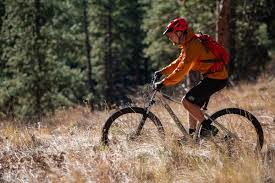
When planning to purchase your first mountain bike, assessing your budget is a crucial step to ensure you make a financially sound decision. Start by evaluating your overall financial situation, including your income, savings, and any other financial commitments. Determine how much disposable income you can allocate towards this new hobby without compromising your other financial goals and responsibilities.
A practical approach is to set a price range that reflects your budget constraints while also considering the quality and features you desire. Entry-level mountain bikes typically range from $400 to $1,000, offering good options for beginners. It’s important to balance cost with quality, as cheaper bikes might require more frequent repairs and upgrades, potentially increasing long-term costs.
Factor in additional expenses such as essential gear, accessories, and safety equipment. Items like a helmet, gloves, and a hydration pack are necessary for a safe and enjoyable ride and can add $100 to $300 to your initial expenditure. Budgeting for these extras ensures you have all the equipment needed to start riding right away.
Lastly, consider potential financing options if you need to spread the cost over time. Many bike shops offer financing plans, but be sure to understand the terms and interest rates to avoid unnecessary debt. By carefully assessing your budget, you can find a mountain bike that meets your needs without straining your finances.
Understanding Bike Categories: Finding the Right Fit
Understanding the different categories of mountain bikes is essential for finding the right fit for your riding style and budget. Mountain bikes are broadly categorized into hardtail and full suspension, each with specific subcategories tailored to various terrains and riding preferences.
Hardtail mountain bikes feature a front suspension fork and a rigid rear end. They are generally more affordable and lighter, making them ideal for beginners and cross-country (XC) riders. Hardtails excel on smoother trails and are perfect for those who prioritize efficiency and climbing performance. Prices for entry-level hardtails typically range from $400 to $1,200.
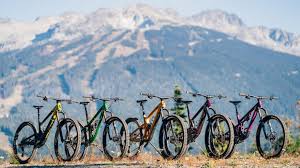
Full suspension mountain bikes have both front and rear suspension, providing better control and comfort on rough and technical terrain. They are divided into several subcategories, including trail, enduro, and downhill bikes. Trail bikes are versatile and suitable for a variety of terrains, while enduro bikes are built for aggressive, technical descents. Downhill bikes are specifically designed for steep, high-speed descents. Entry-level full suspension bikes generally start around $1,500 and can go up significantly.
Choosing the right bike depends on the type of trails you plan to ride. For smooth, cross-country trails, a hardtail might be the best choice. If you anticipate tackling rougher, more technical trails, a full suspension bike could be worth the investment. Understanding these categories helps you make an informed decision, ensuring you get a bike that matches your riding aspirations and budget.
New vs. Used: Pros and Cons of Each Option
When deciding between a new and used mountain bike, understanding the pros and cons of each option helps you make an informed choice.
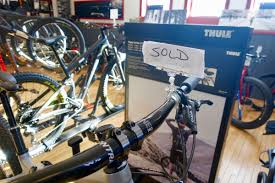
New mountain bikes offer the latest technology, components, and warranties. Buying new ensures you get a bike in perfect condition, with no hidden wear or damage. You also benefit from dealer support and potentially free initial tune-ups. However, new bikes come with a higher price tag, which can be a significant investment for beginners. Entry-level new bikes range from $400 to $1,000, while higher-end models can cost several thousand dollars.
Used mountain bikes can provide substantial savings, often allowing you to afford a higher quality bike than you could new. This option is excellent for those on a tight budget or looking to get more value for their money. However, buying used comes with risks, such as potential hidden damage or wear that may not be immediately apparent. It’s essential to thoroughly inspect a used bike or buy from a reputable source. Additionally, used bikes typically don’t come with a warranty, and you may need to spend extra on repairs or upgrades.
Ultimately, the decision depends on your budget, mechanical knowledge, and comfort level with potential risks. A new bike offers peace of mind and the latest features, while a used bike can be a cost-effective way to start your mountain biking journey if you are willing to be diligent in your search and inspection.
Essential Accessories: Budgeting for Must-Have Gear
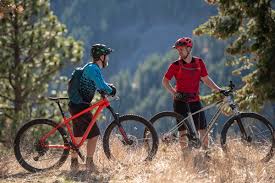
When purchasing your first mountain bike, budgeting for essential accessories is crucial to ensure safety, comfort, and a positive riding experience. These must-have items complement your bike and enhance your overall enjoyment on the trails.
Helmet: Safety is paramount, and a quality helmet is a non-negotiable accessory. Prices range from $50 to $150, with more expensive models offering advanced features like MIPS (Multi-directional Impact Protection System) for added protection.
Gloves: Mountain biking gloves improve grip and protect your hands from blisters and abrasions. A good pair costs between $20 and $50, providing cushioning and better control.
Hydration: Staying hydrated is essential during rides. Hydration packs, which can hold water and essentials, range from $50 to $100. Alternatively, a water bottle and cage cost about $20 to $40.
Repair Tools: Basic repair tools are vital for addressing minor issues on the trail. A multi-tool, tire levers, and a mini pump or CO2 inflator can cost $30 to $70 in total. These tools ensure you’re prepared for common mechanical problems.
Protective Gear: Depending on the trails you plan to ride, knee and elbow pads may be necessary. These items cost around $30 to $80 each and offer additional protection during falls.
Clothing: Comfortable and functional clothing, such as padded shorts ($30-$100) and moisture-wicking jerseys ($30-$70), can significantly enhance your riding experience.
Budgeting an additional $200 to $500 for these essential accessories ensures you are well-equipped to enjoy your mountain biking adventures safely and comfortably. Investing in quality gear from the start can prevent injuries and enhance your overall biking experience.
Long-Term Costs: Planning for Maintenance and Upgrades
Planning for long-term costs is essential when investing in a mountain bike, as maintenance and upgrades are crucial for keeping your bike in optimal condition and enhancing your riding experience over time.
Maintenance: Regular upkeep is vital to ensure the longevity and performance of your bike. Basic maintenance tasks, such as cleaning, lubricating the chain, and checking tire pressure, should be done frequently and can be done at home with minimal costs. However, professional servicing is necessary for more complex tasks, like suspension servicing, brake adjustments, and drivetrain tuning. Annual maintenance costs can range from $100 to $300, depending on usage and the bike’s condition.
Repairs: Inevitably, parts will wear out and need replacing. Common repairs include replacing brake pads ($20-$40), tires ($30-$60 each), and chains ($20-$50). Occasionally, more significant repairs, such as wheel truing or replacing a damaged derailleur, can cost between $50 and $100.
Upgrades: As your skills progress, you may want to upgrade components to enhance performance. Popular upgrades include better suspension forks ($300-$800), dropper posts ($150-$300), and higher-quality drivetrains ($200-$500). While not immediately necessary, budgeting for these upgrades ensures you can improve your bike as needed.
Accessories: Over time, you might also invest in additional accessories, like advanced protective gear, specialized tires, or a bike rack for transportation, adding to the long-term costs.
In summary, planning for maintenance and upgrades is essential for a smooth and enjoyable mountain biking experience. By allocating a budget for these ongoing expenses, you can ensure your bike remains in top shape, allowing you to focus on the thrill of the ride.
Thank you for reading this information article on How Much To Spend On First Mountain Bike, I hope you found it helpful.
For more information on Mountain Bikes, please go here, or if you in the market to purchase a new Mountain Bike, you can look here!