

Initial Investment: Buying Your First Mountain Bike
When venturing into the world of mountain biking, the initial investment primarily revolves around purchasing your first mountain bike and the necessary gear. Entry-level mountain bikes range from $400 to $1,000, with prices varying based on the brand, materials, and features. Opting for a used bike can reduce costs significantly, though it’s crucial to inspect the bike thoroughly or buy from a reputable seller to avoid hidden issues.
Essential accessories add to the initial expenditure. A quality helmet, which is indispensable for safety, costs between $50 and $150. Gloves, another vital protective gear, range from $20 to $50. Additional must-have items include a water bottle or hydration pack ($20-$80), a bike pump ($20-$50), and basic repair tools ($30-$70).
For beginners, investing in comfortable and durable clothing, such as padded shorts ($30-$100) and moisture-wicking jerseys ($30-$70), enhances the riding experience. While not immediately necessary, considering future expenses like proper biking shoes ($50-$150) and pedals may be beneficial.
Budgeting for these initial costs is essential to ensure a safe and enjoyable start in mountain biking. While the upfront investment may seem substantial, it lays the foundation for countless adventures and the potential for future upgrades as your skills and passion grow.
Maintenance and Repairs: Keeping Your Bike in Top Shape
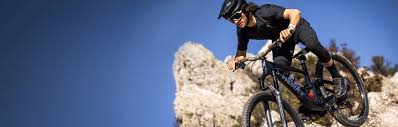
Maintaining and repairing your mountain bike is crucial for ensuring a smooth and safe riding experience. Regular maintenance involves routine tasks that prevent wear and tear, extending the lifespan of your bike. Basic maintenance tasks include cleaning your bike after rides, especially after muddy or dusty trails, which helps prevent corrosion and damage to moving parts. Lubricating the chain and other components regularly, which costs around $10-$15 for a good quality lubricant, ensures smooth operation and reduces friction.
Tire and brake inspections are vital for safety. Replacing worn-out brake pads, which cost between $20 and $40, is essential to maintain effective stopping power. Checking tire pressure before each ride and replacing worn tires, typically costing $30-$60 each, prevents flats and ensures better traction on various terrains.
Occasionally, more significant repairs and part replacements are necessary. Suspension systems, for instance, require servicing every 50-100 hours of riding, costing between $100 and $200. Derailleur adjustments and replacements, costing around $50-$100, keep gear shifting smooth and efficient.
While some maintenance tasks can be done at home with basic tools, others might require professional servicing, especially for complex repairs. Allocating a budget of $100-$300 annually for maintenance and repairs is a prudent approach, ensuring your mountain bike remains in top shape and ready for every adventure.
Upgrading Your Gear: When and Why to Invest in Better Equipment
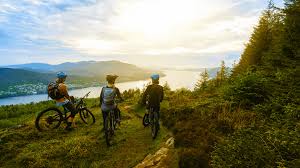
As you gain experience in mountain biking, upgrading your gear becomes a natural progression to enhance performance, comfort, and safety. The decision to invest in better equipment often stems from the desire to tackle more challenging trails and improve your overall biking experience.
One of the first upgrades many riders consider is the bike itself. Entry-level bikes are great for beginners, but advanced models with better suspension systems, lighter frames, and higher-quality components can significantly improve ride quality and efficiency. A mid-range upgrade can cost anywhere from $1,500 to $3,000, offering a substantial boost in performance.
Upgrading to high-performance tires tailored to specific terrains can enhance traction and control, costing between $50 and $100 per tire. Investing in a dropper post, which allows you to adjust your seat height on the fly, can range from $150 to $300 and offers greater flexibility and control on varied trails.
Protective gear is another critical area for upgrades. High-quality helmets with advanced safety features like MIPS (Multi-directional Impact Protection System) provide better protection and range from $150 to $300. Enhanced protective gear such as knee and elbow pads, costing around $50 to $100 each, can prevent injuries during more aggressive rides.
Overall, upgrading your gear is about balancing cost with the benefits of improved performance and safety. As your skills advance, investing in better equipment becomes a worthwhile endeavor to maximize your enjoyment and capability on the trails.
Travel and Trail Access: Hidden Costs of Mountain Biking Adventures
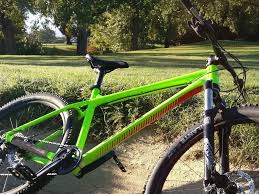
Mountain biking adventures often come with hidden costs related to travel and trail access, which can add up quickly. Traveling to different trails can be one of the most significant expenses, especially if you’re exploring locations far from home. Gasoline costs for driving to and from trails can accumulate, with longer trips requiring more substantial fuel expenditure. If you’re flying to a destination, bike transport fees can range from $50 to $200 each way, depending on the airline.
Accommodation costs also play a role in the overall expense of mountain biking trips. Whether you’re camping, staying in a hotel, or renting a cabin, nightly rates can vary widely. Budgeting for meals and snacks during these trips is another consideration, with eating out potentially increasing expenses compared to preparing food at home.
Access to certain trails often requires permits or entry fees. Many popular biking destinations are located within national or state parks, which may charge daily or annual fees ranging from $5 to $30. Additionally, some privately-owned trails require usage fees to maintain their paths, costing around $10 to $20 per visit.
Investing in a bike rack for your car, which can cost between $100 and $500, is essential for transporting your bike safely. It’s also wise to budget for unforeseen expenses such as emergency repairs or spare parts, ensuring you’re prepared for any situation.
Overall, planning and budgeting for these hidden costs ensures that your mountain biking adventures are enjoyable and financially manageable.
Balancing Costs with Benefits: Is Mountain Biking Worth the Investment?
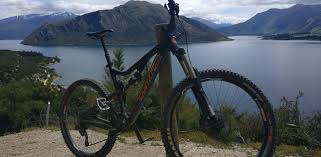
Balancing the costs with the benefits of mountain biking is essential to determine if this hobby is worth the investment. While mountain biking can be expensive, the numerous physical, mental, and social benefits often justify the expenditure for enthusiasts.
Physically, mountain biking offers a comprehensive workout that improves cardiovascular health, builds muscle strength, and enhances balance and coordination. Regular riding can help maintain a healthy weight and reduce the risk of chronic diseases. The physical exertion and connection with nature provide a sense of accomplishment and well-being, contributing to overall mental health.
Mentally, the sport provides a significant stress relief outlet, promoting mental clarity and reducing anxiety. The thrill and challenge of navigating trails require focus and determination, fostering a sense of achievement and boosting self-confidence.
Socially, mountain biking can be a communal activity, offering opportunities to connect with like-minded individuals through group rides and events. This camaraderie enhances the experience, creating lasting friendships and a supportive network.
Financially, the initial and ongoing costs can be substantial. However, by carefully planning and prioritizing upgrades, many enthusiasts find that the long-term benefits far outweigh the expenses.
In essence, the holistic benefits of mountain biking—improved health, mental well-being, and social connections—make it a worthwhile investment for those passionate about the sport. Proper budgeting and mindful spending can help balance the costs, allowing riders to fully enjoy the rewards of this exhilarating hobby.
Thank you for reading this information article on Is Mountain Biking A Expensive Hobby, I hope it was helpful.
For more information on Mountain Bikes,please go here!
If your interested in purchasing a Mountain Bike go here!